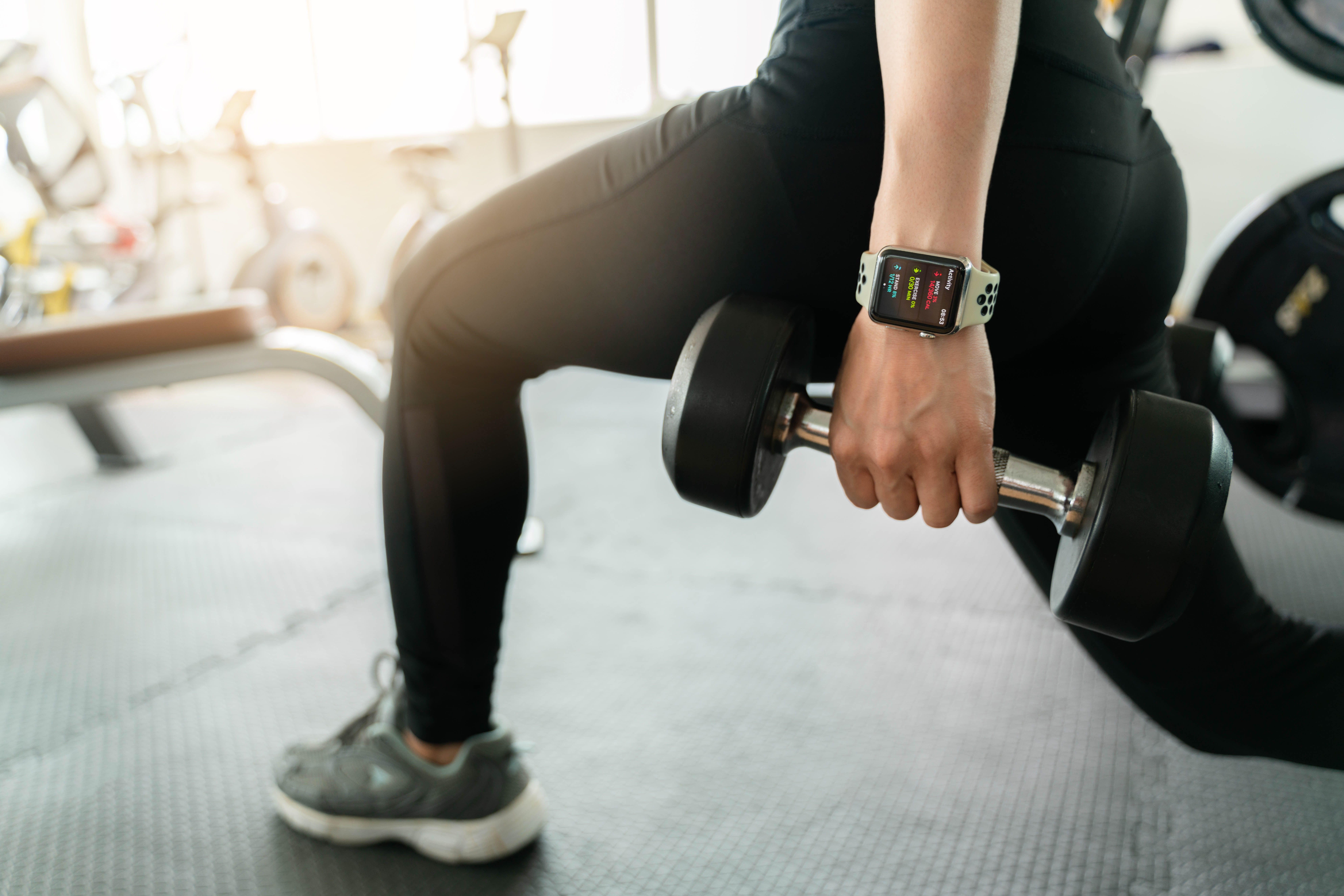
FIBO CEO breakfast: Fitness market consolidation

© fitness MANAGEMENT
Bar ohne Namen
Entschlossen verweigert sich Savage, der Bar einen Namen zu geben. Stattdessen sind drei klassische Design-Symbole das Logo der Trinkstätte in Dalston: ein gelbes Quadrat, ein rotes Viereck, ein blauer Kreis. Am meisten wurmt den sympathischen Franzosen dabei, dass es kein Gelbes-Dreieck-Emoji gibt. Das erschwert auf komische Weise die Kommunikation. Der Instagram Account lautet: a_bar_with_shapes-for_a_name und anderenorts tauchen die Begriffe ‘Savage Bar’ oder eben ‚Bauhaus Bar‘ auf.
Für den BCB bringt Savage nun sein Barkonzept mit und mixt für uns mit Unterstützung von Russian Standard Vodka an der perfekten Bar dazu.
Fitness Is big business: FIBO CEO breakfast 2026
The global fitness and health market has evolved into a technology-driven, crisis-resistant, and scalable growth and investment market. At FIBO 2026, the first “CEO Breakfast” reflected these developments—and conveyed relevant social messages.
International investors, M&A strategies, platform logic, AI-driven business models, and the growing global involvement of multi-billion-dollar operator groups demonstrate: “Fitness is increasingly evolving into a lucrative, strategically driven, and highly professional market segment within the global health and service industry,” said Silke Frank, Event Director of FIBO.

Around 70 industry representatives gathered for the CEO Breakfast at FIBO 2026.
© FIBO / Oliver Wachenfeld
The FIBO, the employers’ association DSSV, and the IFAA ThinkTank had invited guests to the CEO Breakfast, which was held in German. The number of large to very large chains and provider groups has been growing significantly worldwide for years—both in absolute numbers and in market share. For investors, involvement is becoming increasingly attractive. Here is a brief selection of international news from the past few months:
Germany: AI fitness & LifeFit Group
A joint interview in the German industry association’s publication, FMI, describes the expansion of the AI Fitness chain through acquisitions, as well as the LifeFit Group’s buy-and-build strategy involving brands such as Fitness First, FIT/One, and ELIXIA. Both examples illustrate how rapidly larger operator groups are currently growing in Germany and reshaping the market.
Europe: EuropeActive / Deloitte
Market reports from EuropeActive and Deloitte describe the European fitness market as increasingly consolidated, technology-driven, and professionally organized. According to their analyses, larger operators benefit primarily from economies of scale, brand building, and digital services.
Global: Investment firm Houlihan Lokey
The American investment firm Houlihan Lokey forecasts an exceptionally strong M&A (Mergers & Acquisitions) market for 2025/2026. Scalable fitness chains, HVLP models, wellness and recovery concepts, and technology-enabled operator platforms with recurring revenue are said to be in particularly high demand.
Canada: Reuters
Reuters reports on the growing involvement of major private equity firms in international fitness chains. One example cited is the Canadian GoodLife Group, which has over 400 clubs and approximately 1.5 million members. Fitness companies are increasingly viewed as strategic investments in growth and health.
Global: Wellhub
Corporate wellness provider Wellhub describes the fitness industry as an “integrated wellness ecosystem.” AI, data platforms, prevention, recovery, and longevity are increasingly converging—developments that primarily benefit larger operator structures.
North America & Europe: Telomere consulting
In its 2026 industry outlook, Telomere Consulting—an agency specializing in boutique studios—openly speaks of an emerging “major consolidation.” Not all boutique and independent concepts will be able to survive economically in the long term; the market is moving toward professionally managed operator structures.
Global: FitnessNav intelligence
FitnessNav analyzes fitness companies from an investment and platform perspective. The focus is on scalability, profitability, operational efficiency, and market positioning—a sign of just how much the language and logic of the industry have changed.
Participants in the CEO Breakfast at FIBO 2026 included such well-known providers as all inclusive Fitness, Anytime Fitness, Basic-Fit, Bella Vitalis, Bionic Sports, Clever Fit, EASYFITNESS, Elan Fitness, Fit In, fitbox, FITINN, Fitness First, Fitnessland, Fitnexx, FITOMAT, FitX, GYM POD, Hardys Fitness, Holmes Place, Invibe, John Harris Fitness, JONNY M., Juka Dojo, Just Fit, Kieser, Körperformen, LifeFit Group, Linzenich Group, Luxfit, MY GYM, PRIME TIME fitness, RSG Group, Rückgrat Group, VeniceBeach, wellyou, WOF Group, XTRAFIT, and many other prominent industry players.
In their discussions, the top decision-makers of an industry that now generates approximately 6.25 billion EUR* and boasts 12.36 million members in Germany alone focused primarily on operational data, strategies, and positions regarding health and industry policy, such as…
- the industry’s strong and steadily growing economic structure, even in times of crisis,
- new, smart staffing models in an increasingly challenging labor market,
- the realization that fitness and strength training not only benefit young people but, above all, also provide older generations with a better quality of life and improved health—in short, “longevity”—and
- the fact that this can significantly reduce the need for expensive, curative healthcare measures, making this rapidly growing industry systemically important.
In contrast, DSSV President Prof. Dr. Thomas Wessinghage expressed his bewilderment at the fact that the German healthcare system, which dates back to the Bismarck era, as well as (generally) the political discourse and understanding of current developments, still leave much to be desired.
The legislative initiative by the German fitness guru Prof. Ingo Froböse and his colleagues met with broad approval among the high-profile guests at the CEO Breakfast. He sought to amend Article 2, Paragraph 2 of the Basic Law (right to life, physical integrity, and personal freedom) by adding a right to education, prevention, and disease avoidance as a duty of the state.
The announcement by Janosch Marx, vice president of the DSSV, that the GKV-Spitzenverband had recommended the fitness industry and its services for preventive health care in a new position paper, as well as his mention of his industry’s coordinated participation in the EU’s European Week of Sport (known in Germany as “United Let’s Move”), were in line with the general trends in the fitness and health industry.
Conclusion
In recent years, the fitness industry has evolved into a professionally organized growth and investment market characterized by large operator structures, a high degree of technological advancement, and systemic significance. Against this backdrop, the establishment of formats such as the FIBO 2026 CEO Breakfast or the IFAA ThinkTank is a logical next step. After all, the more scalability, investments, platform strategies, and professional corporate management shape the fitness and health market and investor activity, the more important and beneficial the trusting, personal exchange between the industry’s strategic decision-makers becomes.