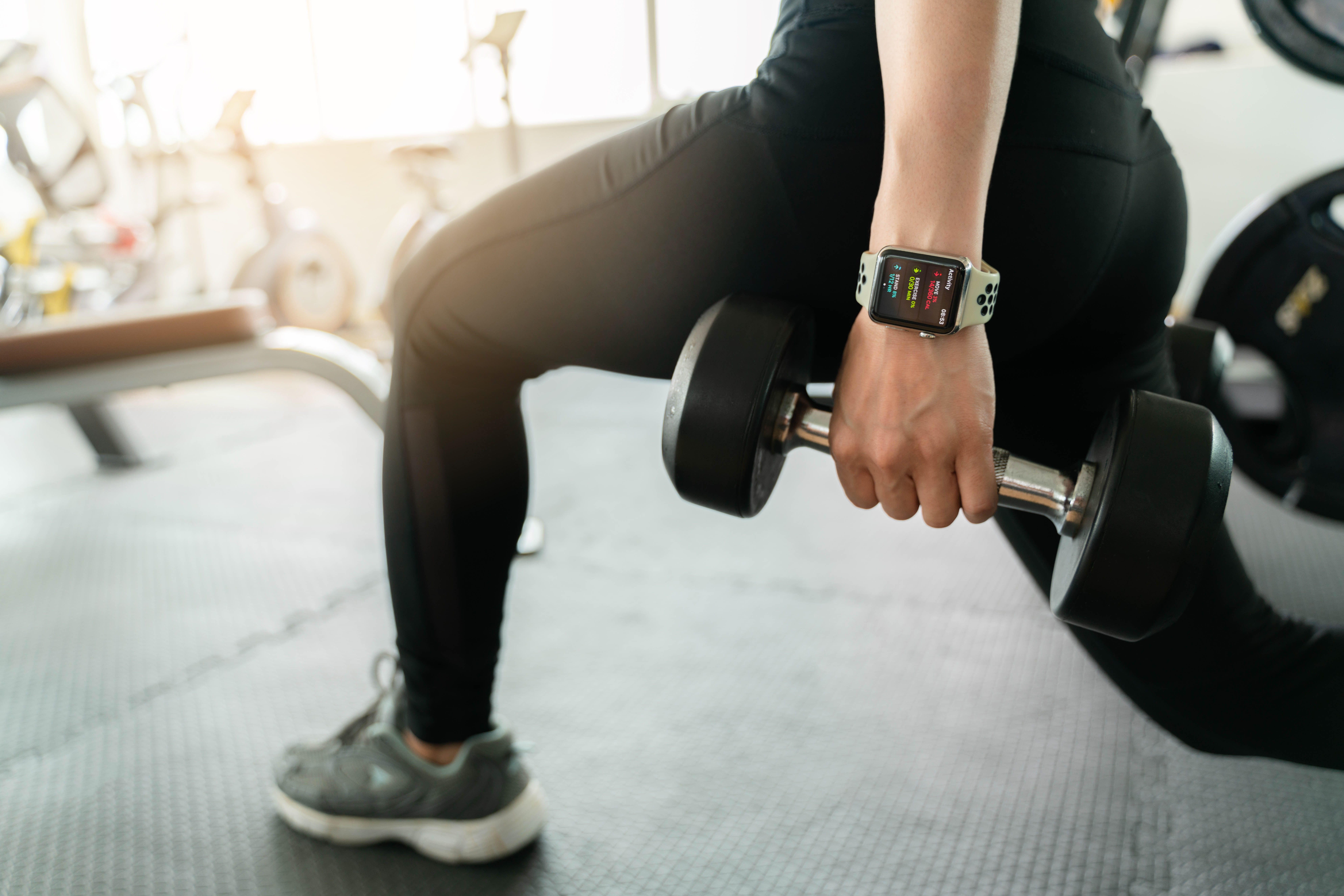
Reduction of stress, increasing body awareness and mental relaxation: Allrounder Pilates


(c) FIBO / RX Austria & Germany
Bar ohne Namen
Entschlossen verweigert sich Savage, der Bar einen Namen zu geben. Stattdessen sind drei klassische Design-Symbole das Logo der Trinkstätte in Dalston: ein gelbes Quadrat, ein rotes Viereck, ein blauer Kreis. Am meisten wurmt den sympathischen Franzosen dabei, dass es kein Gelbes-Dreieck-Emoji gibt. Das erschwert auf komische Weise die Kommunikation. Der Instagram Account lautet: a_bar_with_shapes-for_a_name und anderenorts tauchen die Begriffe ‘Savage Bar’ oder eben ‚Bauhaus Bar‘ auf.
Für den BCB bringt Savage nun sein Barkonzept mit und mixt für uns mit Unterstützung von Russian Standard Vodka an der perfekten Bar dazu.
No sport? As if! Pilates has been around for almost 100 years and has been making a real comeback since 2023. The gentle strength training targets the deep muscles and strengthens, stabilises and moves! Stefanie Rahn, President of the Deutsche Pilates Verband, tells us how beginners can get into the trend and what mistakes they should avoid at all costs.
How do you describe Pilates to newcomers?
Pilates is an effective whole-body workout and specifically strengthens the deep torso muscles. It promotes strength, flexibility, coordination and self-awareness. The exercises create a completely new body awareness for correct upright posture of the spine, a relaxed shoulder-neck area and for the interplay of breathing and movement, tension and relaxation.
What are the main benefits of Pilates exercises compared to other forms of physical training?
Pilates has established worldwide as a training method because it
- offers an optimal mix of strengthening, stability and flexibility
- offers a wide range of possible applications: Whether to balance everyday office life, as injury prophylaxis for athletes, or e.g. after pregnancy.
- regularly practised, it improves movement and posture habits and helps to achieve more body awareness, a healthy back and a good figure.
The fundamental difference to other functional trainings, however, is the use of specially developed equipment that constantly challenges coordination and stability through spring resistance.
For whom is Pilates especially suitable?
Pilates is for everyone
- who is looking for an effective sport to stay healthy, fit and agile - completely independent of age.
- who is looking for a perfect balance to his hobby or competitive sport in order to stay active for as long as possible.
- who needs a suitable method for his rehabilitation, which can first be carried out under targeted, professional guidance on equipment, or on the floor with small equipment, and later independently at home.
What are suitable exercises to start with Pilates?
Please always do the first exercises with a certified trainer. This way you can be sure that you start with the exercises and level of difficulty that are suitable for you. Pilates equipment is particularly suitable for beginners, as it offers optimal support. You can find a certified trainer in your area via the trainer search on the website of the German Pilates Association www.pilates-verband.org
What are the most common mistakes when doing Pilates and how can they be avoided?
A well-guided Pilates class will always do good in most cases. Mistakes happen when you do exercises from magazines or videos without knowing the Pilates basics and training principles. Therefore, always invest in a good trainer. You only have one body!
How can Pilates help improve posture and balance?
Pilates has been established worldwide as a training method because it offers an optimal mix of strengthening, stability and flexibility. It promotes an upright posture through a stable body centre and stimulates the muscles and joints without one-sided strain. Balance can also be improved through better body awareness.
What role does Pilates also play for the 'mind'?
The hallmark of Pilates is the "balance of body and mind". This is anchored in the traditional Pilates principles. Besides the principles of control, breathing and centring, these are: concentration, precision and flow of movement. These elements make the training holistic and therefore highly effective.
How has Pilates training developed in recent years and what trends are emerging?
One development is the integration of technology: As in many other areas of fitness and health, Pilates training has benefited from technological advances. There are now many apps, online courses and videos that offer Pilates exercises and programmes. These allow people to exercise at home or on the go and track their progress. Those online offers should be seen as a supplement to training with a certified trainer. A good foundation is only possible in presence and with tactile support, i.e. helping hands from the trainer.
The next development is the emphasis on mental health: In addition to the physical benefits, awareness of the impact of Pilates on mental health has expanded. Pilates is increasingly seen as a holistic method that reduces stress, increases body awareness and promotes mental relaxation. The classic Pilates principles of concentration/attention are becoming increasingly important in today's world.
Probably the most important development, however, is the rapid rise of Reformer training in Germany. More and more Pilates studios are offering training on Pilates equipment, especially on the Reformer.
Deutsche Pilates Verband at FIBO 2023

(c) Stefanie Rahn
The fair was a complete success for the DPV. We were able to convey how important it is to be represented by a professional association and that setting quality standards is a first step on the way to recognition of the coaching profession. More and more sector-like companies are seeking the proximity of the association to underline their quality. We are confident that this trend will continue.
We thank Stefanie Rahn for the interview!